Home batteries: a record quarter, and smaller batteries after 1 May
Clean Energy Regulator data shows an April rush and over a third of capacity in New South Wales.

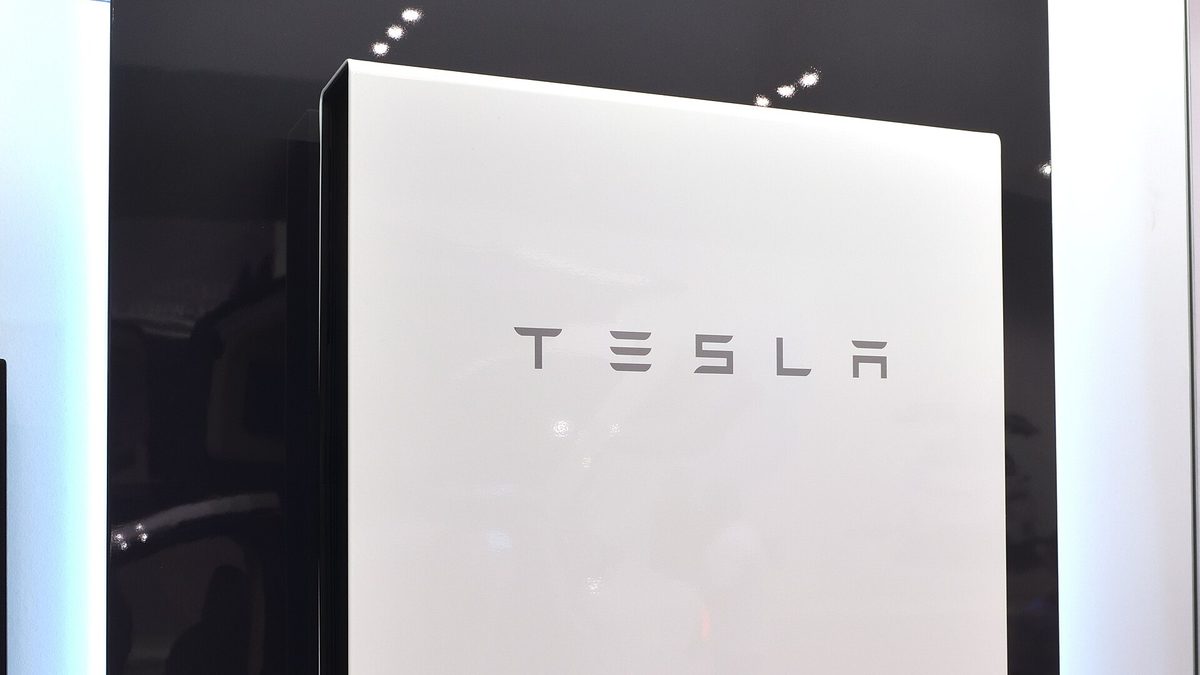

The Clean Energy Regulator says the federal Cheaper Home Batteries Program had a record quarter, from April to June 2026. By 30 June it had approved more than 111,000 batteries installed in that quarter, holding 3.6 gigawatt-hours (GWh) of storage.
The March quarter had 83,000 batteries (2.5 GWh) approved by 31 March. Installers have up to 12 months to create certificates, so approvals keep arriving.
Later approvals have since lifted both quarters. On the regulator's 15 Oct data, June is about 4.4 GWh and March about 4.0 GWh by our calculation, so June is the larger quarter.
The April rush, then smaller batteries
Changes took effect on 1 May: certificate rates now taper for larger batteries. The regulator says installers accelerated work ahead of them, particularly on larger systems.
It counts 78,000 April installations, with 2.8 GWh approved by the end of June, against an average of 40,000 a month over the program's first nine months.
After 1 May, the average battery fell from 36 kilowatt-hours (kWh) in April to about 23 kWh in May and June. A quote from before 1 May is not like for like with one now, because support tapers for larger batteries.
Where the batteries went
Cumulative capacity installed and approved under the program by 30 September 2026:
| State or territory | Capacity (megawatt-hours) | Share of total |
|---|---|---|
| New South Wales | 5,599.7 | 36.6% |
| Victoria | 3,184.0 | 20.8% |
| Queensland | 3,171.3 | 20.7% |
| South Australia | 1,568.4 | 10.3% |
| Western Australia | 1,322.9 | 8.7% |
| Australian Capital Territory | 289.6 | 1.9% |
| Tasmania | 113.8 | 0.7% |
| Northern Territory | 38.1 | 0.2% |
| Total | 15,287.8 | 100% |
The table is in megawatt-hours (MWh), and 1,000 MWh is 1 GWh. Shares are our calculation, and rounding means they may not sum to 100%.
Rod Bland is the publisher and editor of Volts & Bots. He lives in Sydney and drives a Model Y L bought in Australia in 2026, with HW4 and FSD (Supervised). More about Rod Bland.