Tesla expects owner cars to join its Robotaxi service around Q2 2027
Owners' cars would get the same driving software as Tesla's Cybercab robotaxi in a version 15 update.

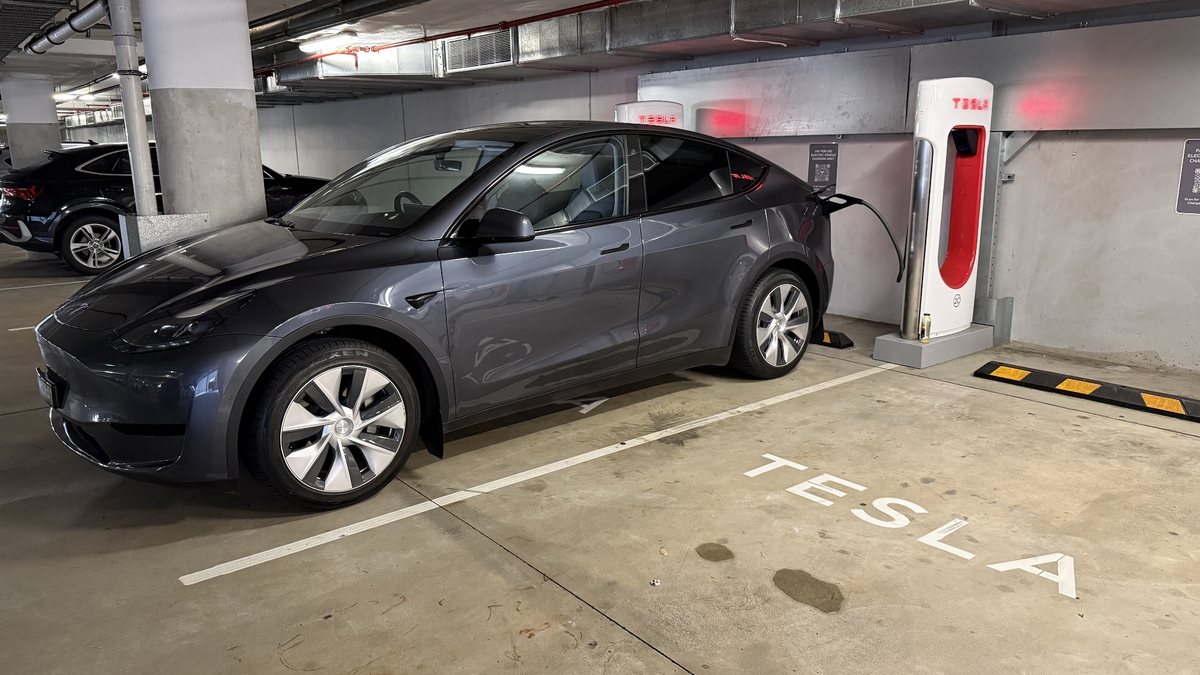 Leesieoh / Wikimedia
Tesla expects to start adding some owners' cars to its Robotaxi service around April to June 2027, Ashok Elluswamy said on its Q3 2026 results call on 22 October (AEDT).
How an owner's car would join
He was answering a question about when owners' cars would drive without supervision. Customer cars and the Cybercab, Tesla's main robotaxi, run the same driving software. Tesla plans to release it to owners in its version 15 update.
The one extra requirement is that the car sits inside the areas Tesla has set for the service and runs under its fleet management. A customer Model Y was the example, and no country or city was named.
Where Robotaxi runs now
The Robotaxi service runs in six cities and launches in Dallas in November, Elluswamy said on the call. The Cybercab runs only in Austin for now, with more cities planned before the end of 2026, Vaibhav Taneja said.
Tesla's Q3 2026 update, filed with the US securities regulator, says the service reached nearly 2 million unsupervised miles (about 3.2 million km) by the end of September. Austin rides now run from 6 am to midnight.
Cybercabs for buyers
Another executive said Tesla aims to get Cybercabs to customers by the end of 2026, though every one built so far goes to its own fleet. Elon Musk said most Cybercabs will stay Tesla-owned and be run as a ride service.
Fares and eligible cars
The call gave no word on how fares would be split between owners and Tesla, or what an owner might earn. Nor did Tesla say which models or hardware qualify beyond the Model Y example, or which cities take owner cars first.
FSD (Supervised), which owners can use today, needs active driver supervision and does not make the car autonomous, the quarterly update says.
Technology limits growth for now
Elluswamy said Robotaxi's growth is limited by the technology for now, but that regulation could soon become the limit, perhaps in the first half of 2027.
Rod Bland is the publisher and editor of Volts & Bots. He lives in Sydney and drives a Model Y L bought in Australia in 2026, with HW4 and FSD (Supervised). More about Rod Bland.