Tesla asks the Senate for driverless car trials in Australia from 2027
Tesla wants a planned law that makes a company, not the driver, answerable for a driverless car to start two years sooner.

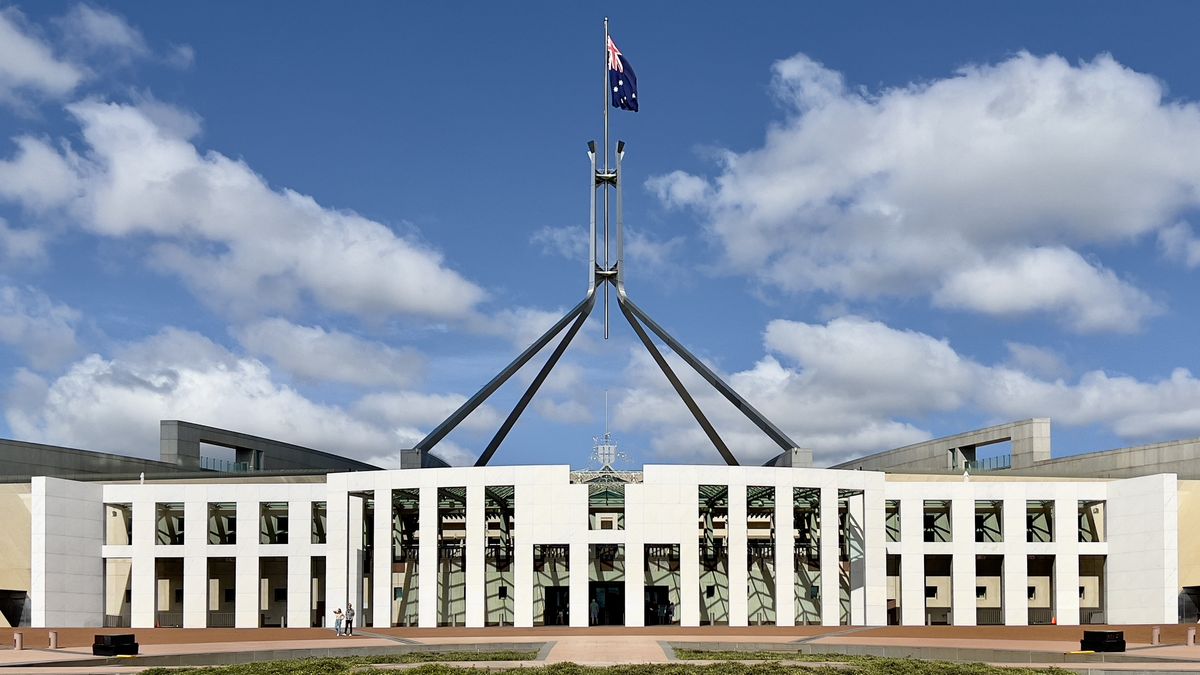 Chris Olszewski / Wikimedia
Tesla has asked a Senate committee to back a trial of driverless cars on Australian public roads in 2027, before the national law for them is in place. Tesla's submission, dated 16 October 2026, was first reported by techAU.
Recommendation 7 asks the Commonwealth to "support an autonomous vehicle trial in 2027". Permits would "unlock AV trials on public roads until such time that the national regulatory framework for AVs is in place".
Recommendation 8 asks it to "work with State/Territory governments to accelerate the proposed Autonomous Vehicle Safety Law (AVSL)". The submission gives 2029 as the law's "current expected implementation" and wants it moved to 2027.
That change would save hundreds of lives and unlock more than A$10 billion in benefits, it says, citing modelling by the Autonomous Vehicle Association of Australia. Tesla also wants any national road-user charge applied to all vehicles, not just electric cars.
What the safety law would change
The Automated Vehicle Safety Law, not yet passed, would make a certified company rather than the driver responsible for a self-driving system's safety, the Department of Infrastructure says. Until then, the driver is responsible, even with driver-assistance features switched on.
Transport ministers agreed on 21 November 2025 to allow "the conditional deployment of automated vehicles from 2027 in selected locations", the National Transport Commission says. That depends on each state and territory updating its laws, and states and territories already run their own trial schemes.
Tesla's own figures
The submission calls FSD (Supervised) a "Level 2" driver-assistance system "that requires drivers to maintain proper control of the vehicle at all times". It also makes three claims about the system, with no method, time period or data given:
- Cars have driven more than 160 million km with it switched on in Australia and New Zealand since September 2025.
- Drivers using it had 40 per cent fewer collisions than Tesla drivers without it.
- They had 90 per cent fewer harsh-braking incidents.
The committee's next steps
The committee's inquiry page shows it is still taking submissions, with public hearings set for 30 November and 4 December.
Rod Bland is the publisher and editor of Volts & Bots. He lives in Sydney and drives a Model Y L bought in Australia in 2026, with HW4 and FSD (Supervised). More about Rod Bland.